Learning & Behaviour Concerns

If your child is struggling at school, finding it difficult to manage their emotions, or showing behaviours that are concerning at home or in social settings, Growing Together Clinic can help. We support children and adolescents in Indooroopilly, Brisbane with a wide range of learning and behavioural concerns, providing families with a clear pathway to understanding what their child needs and how to help them thrive.
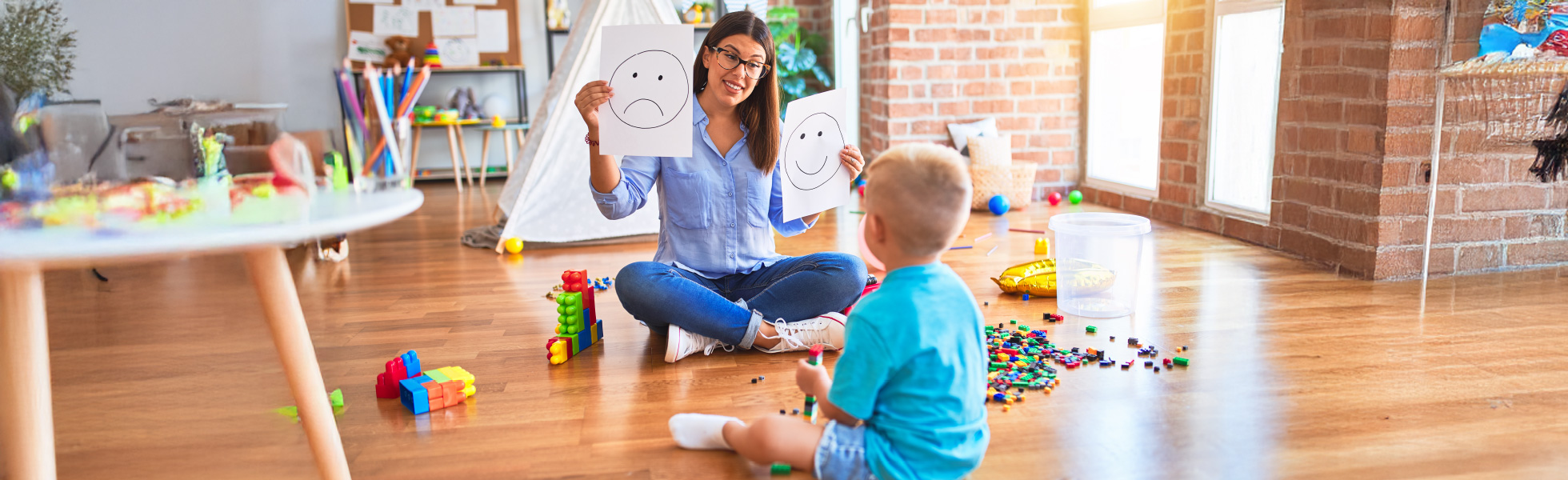
Learning & Behaviour Concerns

What We Support

Our team works with children and families across a broad range of learning and behavioural concerns, including:

Learning and Educational Concerns

  • Difficulties with reading, writing, or numeracy
  • Slow processing speed or working memory difficulties
  • Underachievement at school despite effort
  • Learning difficulties including dyslexia and dyscalculia
  • Difficulties keeping up with peers in the classroom
  • Concerns raised by teachers about a child’s academic progress

Behavioural and Emotional Health

  • Emotional regulation difficulties, including frequent meltdowns or outbursts
  • Anxiety and worry that interferes with daily life
  • Low mood or withdrawal
  • School refusal or significant distress around attending school
  • Behavioural difficulties at home or in the classroom
  • Executive functioning concerns, including difficulties with planning, organisation, and impulse control
  • Social difficulties, including trouble making or maintaining friendships

Many children present with a combination of learning and behavioural concerns, and our integrated team is experienced in assessing and supporting children with complex or overlapping presentations.

When Should Families Seek Support?

It is not always easy to know when a child’s difficulties go beyond typical development. You may wish to seek a professional assessment if:

  • Your child’s teacher has raised concerns about their learning or behaviour
  • Your child is becoming increasingly distressed about school or refusing to attend
  • Emotional outbursts or behavioural difficulties are affecting family life
  • Your child appears anxious, withdrawn, or unhappy and you are not sure why
  • Despite trying hard, your child is not keeping up at school
  • Your child’s self-esteem is suffering as a result of their difficulties
  • You have concerns but have not yet received a clear explanation or diagnosis

Early support can make a significant difference. If you are unsure whether an assessment is the right next step, our team is happy to discuss your child’s situation and help you find the right pathway.

Concerned about your child? Request an appointment with our team today.

All paediatric assessments at Growing Together Clinic begin with a GP appointment. Dr McVinish sees patients referred through our GP only. Book your initial GP appointment today – your child’s journey starts there.

How We Approach Learning and Behavioural Concerns

At Growing Together Clinic, we understand that learning and behavioural concerns rarely exist in isolation. A child who is struggling at school may also be anxious. A child with behavioural difficulties may have an underlying learning difficulty, attention issue, or developmental concern that has gone unrecognised. Our integrated care model ensures your child’s presentation is assessed thoroughly and in context, rather than in isolation.

1

GP Appointment (Bulk Billed)

Your child’s journey begins with a comprehensive GP consultation. A full developmental, educational, and behavioural history is gathered, existing school reports and any previous assessments are reviewed, and structured screening tools are completed. The GP develops an initial care plan and determines whether a referral to our Consultant Paediatrician or allied health services is required.

2

Paediatric Assessment (Privately Billed)

Where specialist assessment is indicated, your child is referred to our onsite Consultant Paediatrician. The Paediatrician conducts a comprehensive clinical evaluation, integrating information from the GP consultation, school reports, parent and teacher input, and direct clinical assessment. This appointment is privately billed.

3

Shared-Care and Ongoing Support

Following assessment, most ongoing care and follow-up can be managed by our GP in close consultation with the Paediatrician. Our team also coordinates closely with schools, psychologists, speech pathologists, and occupational therapists to ensure your child’s support is consistent across all settings. GP appointments remain bulk billed, reducing the cost burden for families over time.

4

Scripts and Management Plans

Where medication or formal management plans are required, our GP can provide all relevant prescriptions and implement care plans in consultation with the Paediatrician, keeping your child’s care coordinated and consistent.

Why This Model Matters

Our shared-care approach means children with learning and behavioural concerns receive thorough, coordinated support without the delays and costs that come with navigating multiple providers independently. It means:

  • Lower out-of-pocket costs
  • Shorter wait times for specialist input
  • Coordinated communication between our clinicians, schools, and allied health providers
  • A consistent team that understands your child’s full history

Our goal is simple: to make paediatric care easier to access, easier to afford, and better coordinated for every family.

Frequently Asked Questions

A learning difficulty refers to challenges a child experiences with specific aspects of learning, such as reading, writing, or maths. These difficulties may or may not have an identified cause. A learning disability is a more formal term used when a child’s learning challenges are significant, persistent, and meet specific diagnostic criteria. At Growing Together Clinic, our clinicians assess each child individually and provide a clear explanation of findings in plain language, regardless of whether a formal diagnosis applies.

Yes. At Growing Together Clinic, our GPs have expertise in developmental and behavioural medicine and are well placed to conduct an initial assessment of your child’s learning and behavioural concerns. Where specialist paediatric assessment is required, your GP will refer directly to our onsite Consultant Paediatrician. This integrated approach means the process is coordinated and efficient from the very first appointment.

Yes. A GP or paediatrician referral is required to access our assessment services. If your child does not yet have a referral, you can book an initial appointment with one of our GPs at Growing Together Clinic. Our GP will assess your child’s history, discuss your concerns, and determine the most appropriate next steps.

In many cases, yes. Behavioural difficulties in children can be associated with a range of underlying conditions including ADHD, anxiety, autism spectrum disorder, learning difficulties, or other developmental concerns. It is important that behavioural concerns are assessed thoroughly rather than addressed in isolation. Our integrated team is experienced in identifying and managing the full range of factors that may be contributing to a child’s presentation

School refusal refers to significant difficulty attending school due to emotional distress, rather than deliberate truancy. It is often associated with anxiety, low mood, social difficulties, or an undiagnosed learning or developmental concern. At Growing Together Clinic, school refusal is taken seriously and assessed carefully. Management typically involves a coordinated approach between our clinicians, the school, and, where relevant, a psychologist or other allied health professional.

Executive functioning refers to a set of mental skills that help children plan, organise, manage time, control impulses, and regulate their emotions. Difficulties with executive functioning are common in children with ADHD, autism, anxiety, and some learning difficulties. These challenges can significantly affect a child’s ability to succeed at school and manage daily tasks. Our clinicians assess executive functioning as part of a broader developmental evaluation and can recommend targeted strategies and supports.

If your child’s anxiety is interfering with their daily life – including school attendance, friendships, sleep, or family routines – it is worth seeking a professional assessment. Anxiety in children does not always look the same as in adults. It may present as physical complaints, irritability, clinginess, or avoidance of activities rather than visible worry. Our GP can help assess the nature and impact of your child’s anxiety and determine the most appropriate pathway for support.

Once the assessment is complete, a written clinical report is provided outlining the findings, diagnosis where applicable, and recommendations. Our team will discuss the results with you and help coordinate any referrals, school support plans, therapy services, management plans, or ongoing care required. Growing Together Clinic supports families well beyond the point of assessment – our goal is to remain a consistent partner in your child’s care as they grow.

Request an Appointment

Growing Together Clinic supports children and adolescents with learning and behavioural concerns in Indooroopilly and across western Brisbane. Contact our team to discuss your child’s needs and take the first step.

Request an Appointment Today